
Follow us on social media for more company news, updates and fun!
ALL RECENT NEWS STORIES
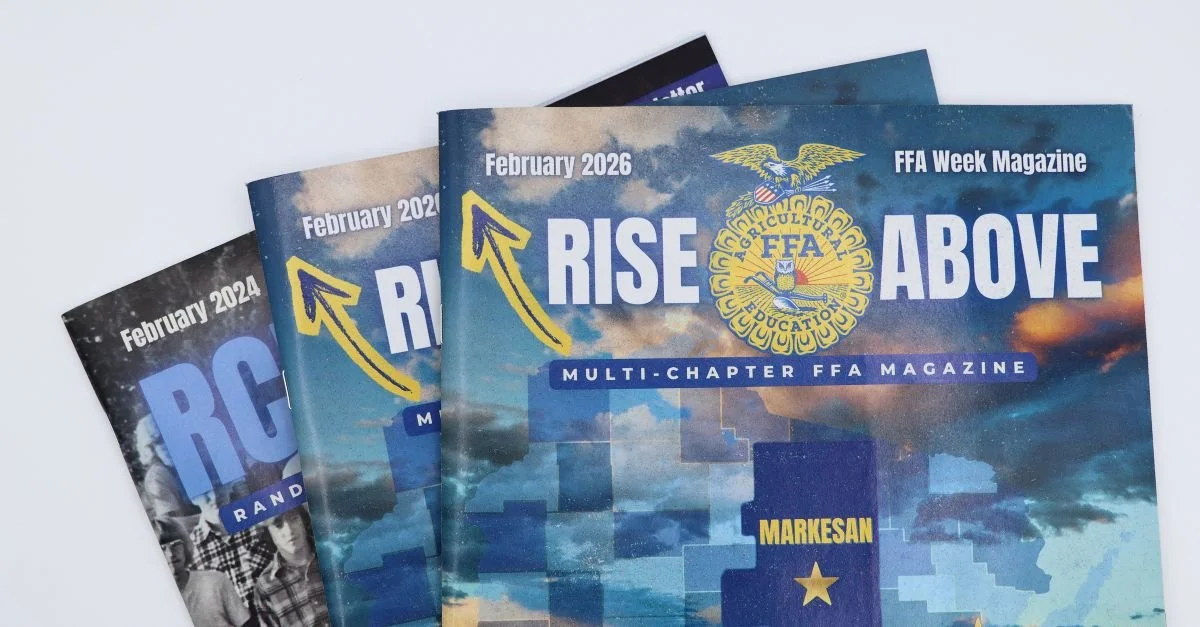
The best publications often start with a simple idea. For the Rise Above FFA Week Magazine, that idea began as an annual newsletter created to share achievements, announcements, and updates within the Randolph Cambria Friesland FFA community. Over time, the publication evolved into a full color magazine and eventually expanded to include five local FFA chapters.
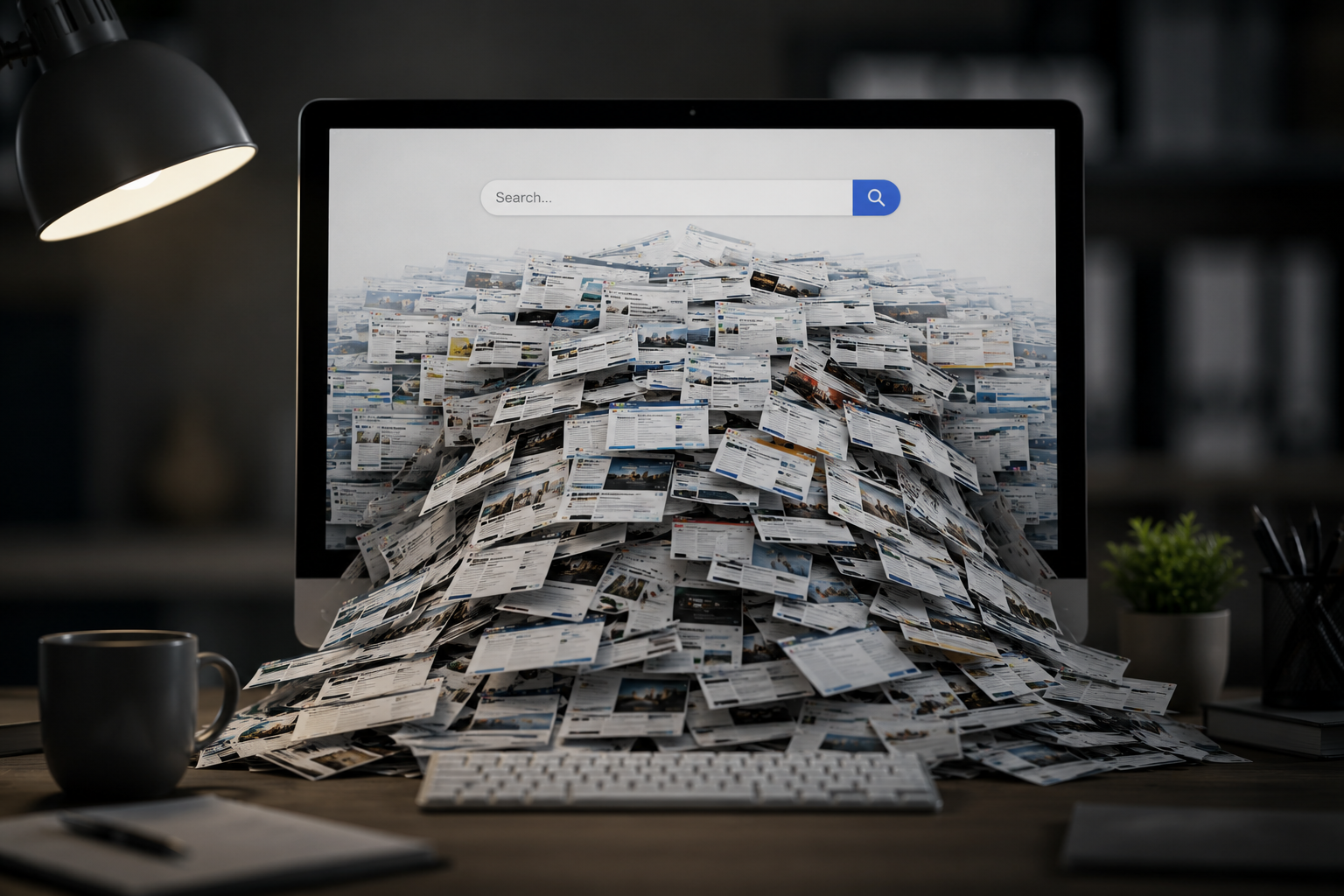
There’s nothing inherently wrong with your directory. The content is likely strong, well-organized, and built to serve a real purpose. It connects people to vendors, resources, destinations, or services. It helps users make decisions. And yet, despite all that effort, many directories still go underused. The issue usually is not value. It is visibility.
Most travel planning today starts online. People save restaurants from TikTok videos. Build itineraries across dozens of browser tabs. Scroll through destination content late at night imagining where they want to go next. And yet, printed travel guides continue to hold a surprisingly strong place in tourism marketing.
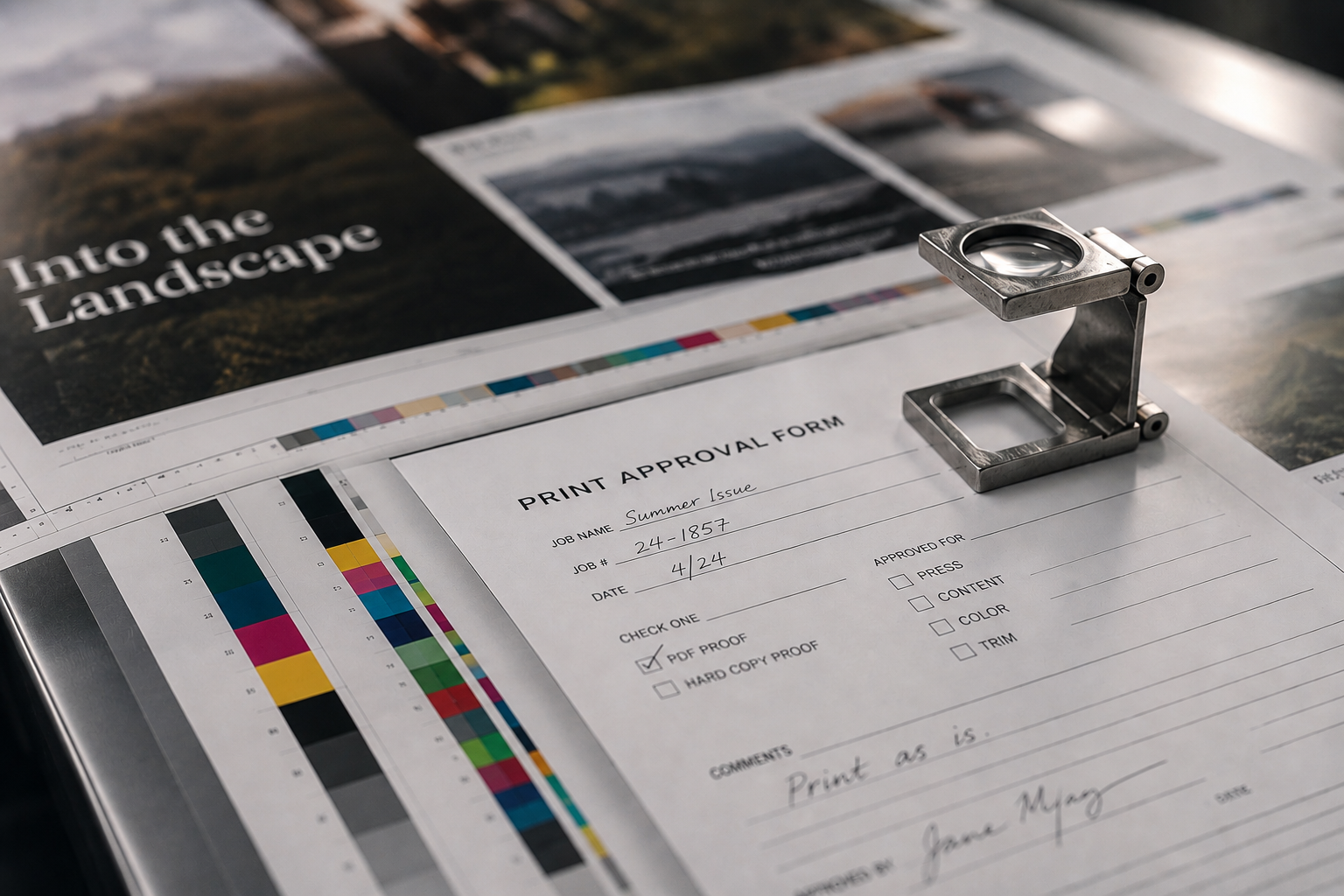
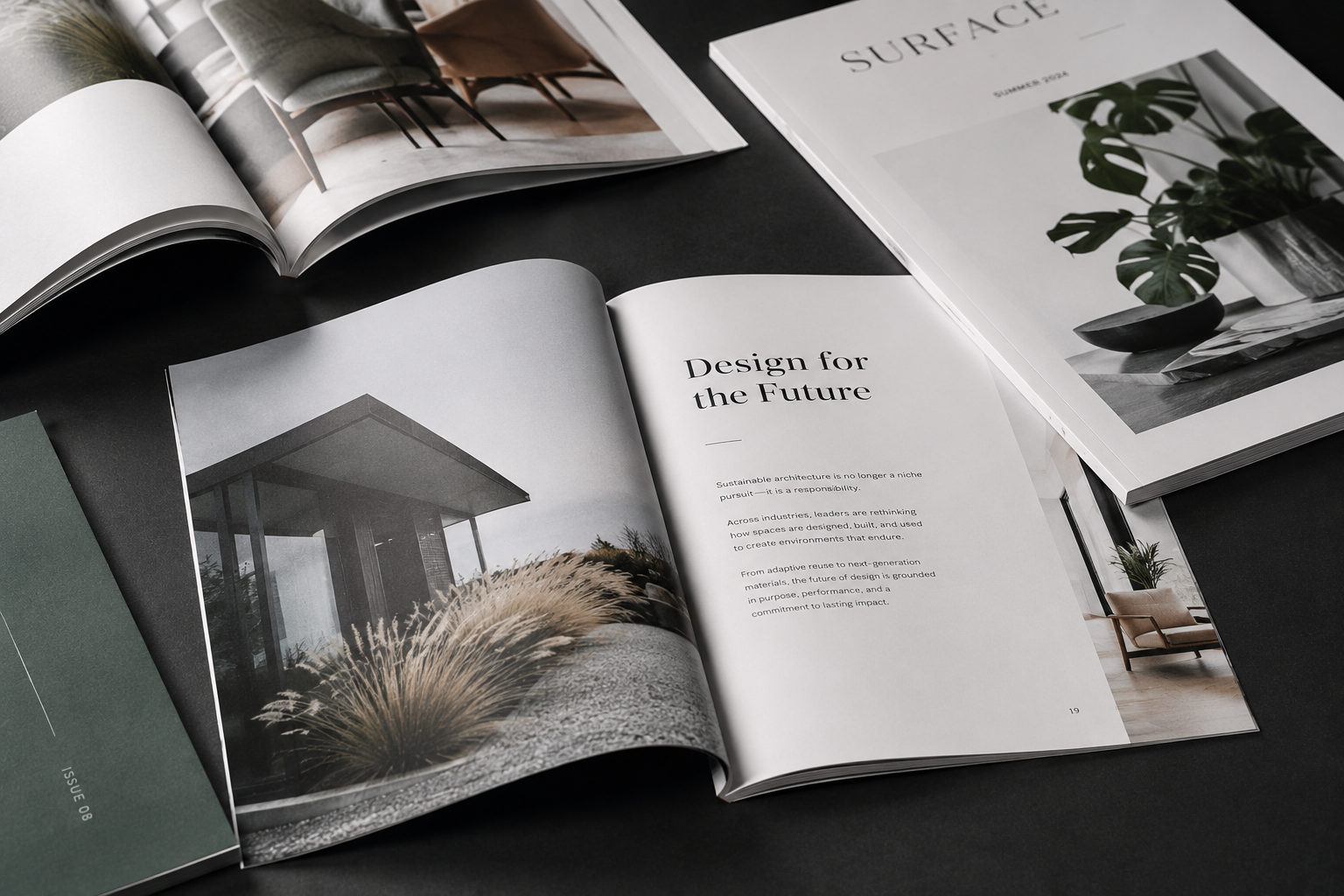
Publishing a magazine once is easy. Sustaining one issue after issue is where things become more complicated. Deadlines shift. Mailing lists evolve. Paper availability changes. Versions multiply. Editorial calendars overlap. Through all of it, readers still expect the publication to arrive on time and feel consistent every single issue. That consistency is what publishers are really managing.
Artificial intelligence is changing communication at a pace few industries could have predicted. Content that once took hours to create can now be generated in seconds. Marketing teams are moving faster. Ideas are becoming easier to execute. Entire campaigns can be built with a level of speed that would have felt impossible only a few years ago.
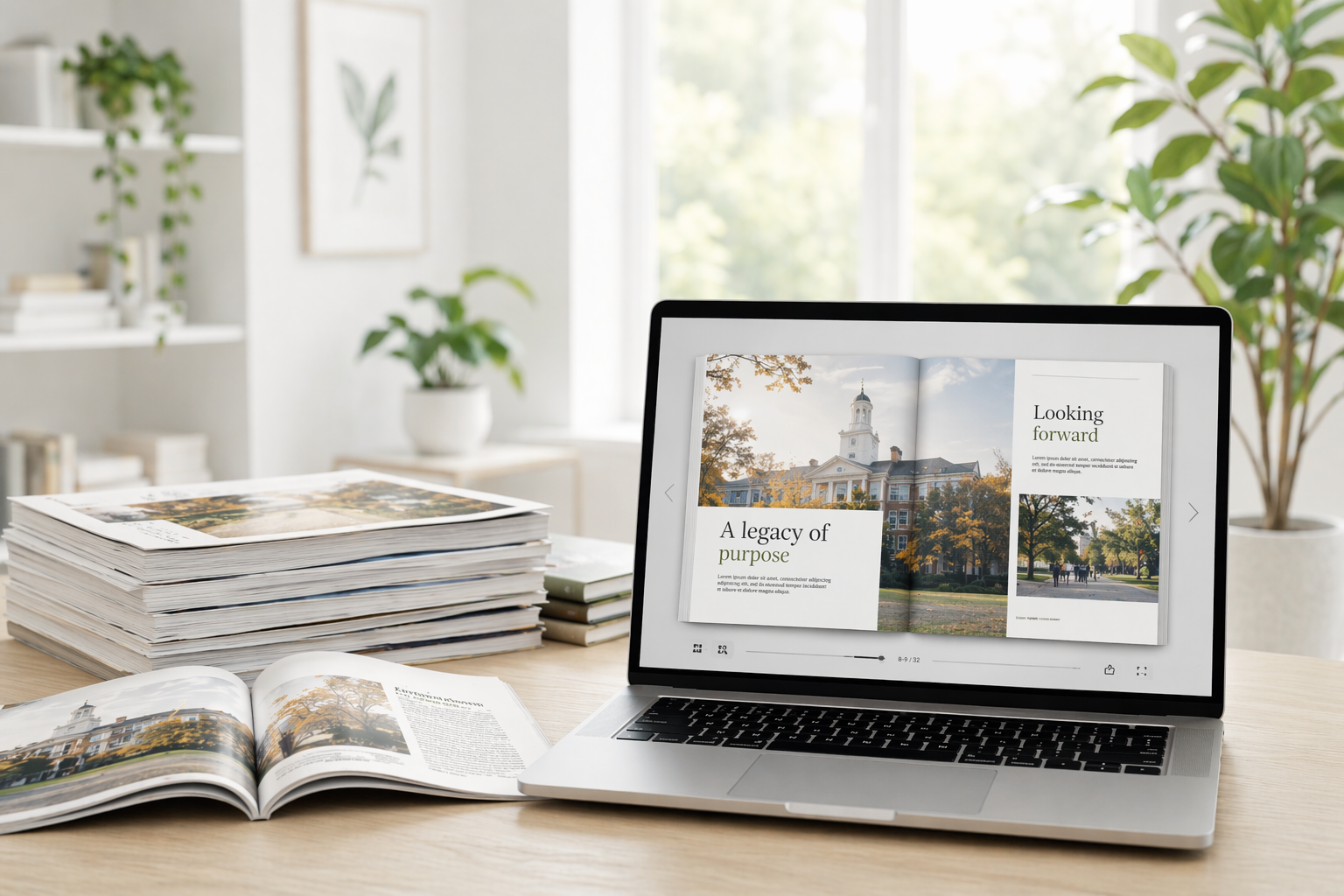
For many alumni publications, “going digital” has meant one thing: Uploading a PDF to the website.It’s simple. It’s fast. It checks the box. But it also creates a bigger problem. Most digital editions today are static files that feel disconnected, hard to navigate, and nearly impossible to learn from. They live on scattered web pages. They are rarely linked in a meaningful way. And once downloaded, they disappear into a reader’s device with no visibility back to the team who created them.
A proposed 25% surcharge on certain goods is currently under consideration as part of ongoing trade tensions. As of now, magazines are not included in the surcharge list. However, Canada has released an expanded list of products that would be subject to a 25% surcharge starting March 25 if U.S. surcharges on Canadian goods are not lifted. In that expanded scenario, magazines would be included
USPS has proposed a mid-July price adjustment, with industry expectations pointing to an average increase in the 4% to 6% range for Market Dominant products. For publishers and mailers, this means continued upward pressure on postage costs—and more frequent pricing shifts throughout the year.
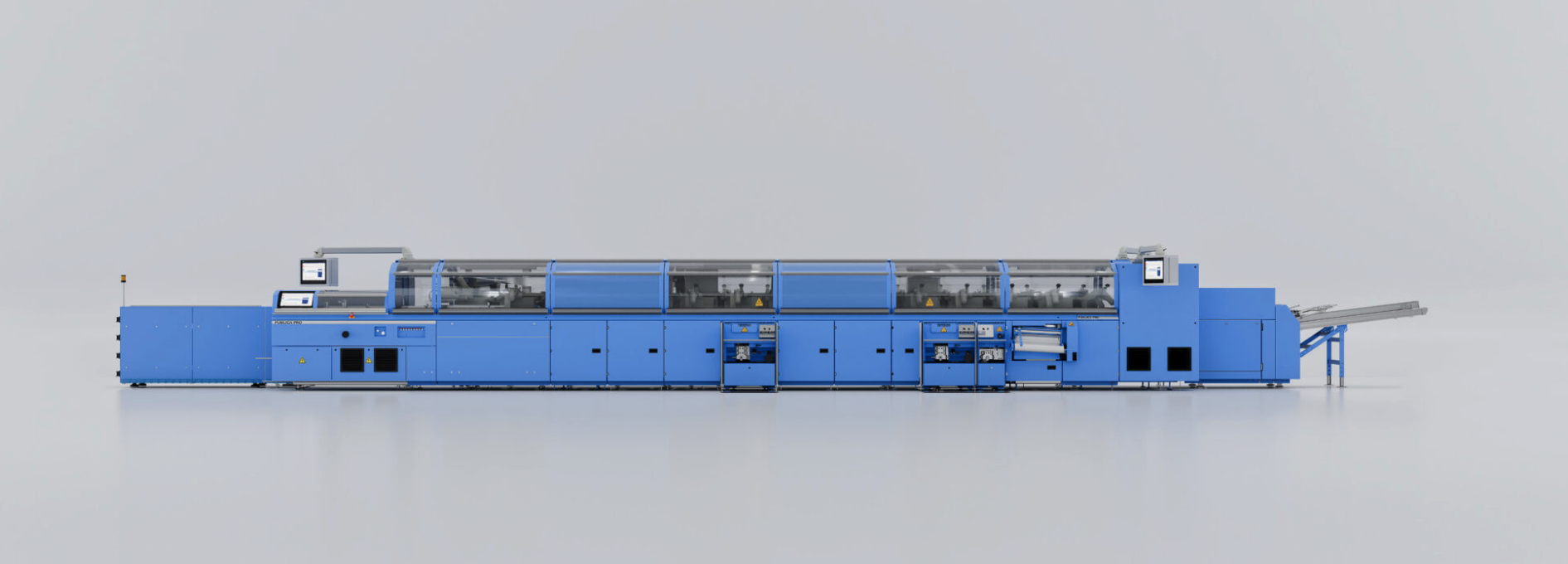
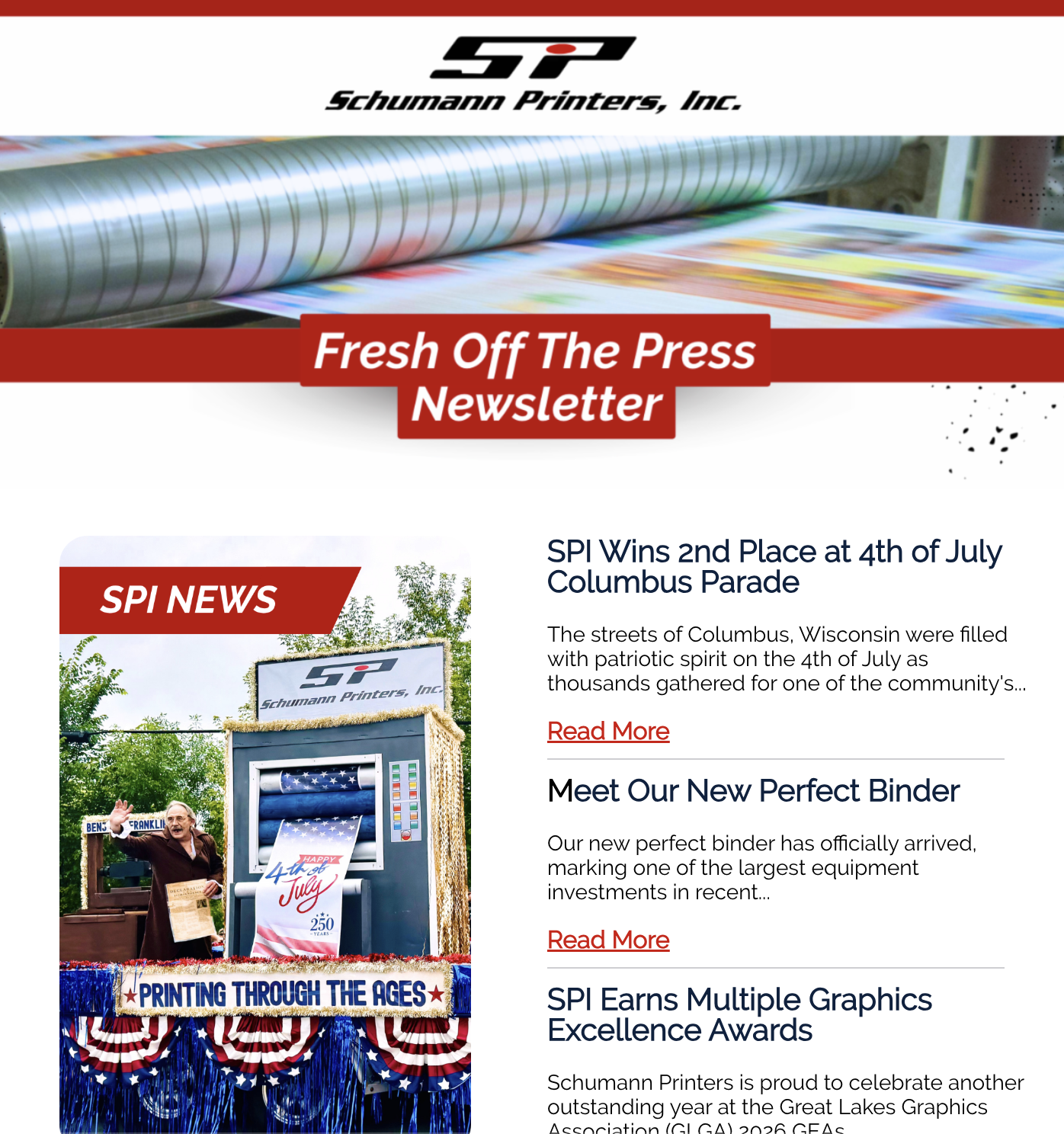
Something big is coming to the Schumann Printers bindery, and it is designed to change how your projects move from press to finished piece. This summer, we are installing a new Müller Martini Publica Pro 15, a perfect binding system built for high-speed production, precise control, and the kind of consistency long-run work demands.
Schumann Printers has been named a Top Workplace for 2026, an honor that continues to hold deep meaning for our team.
The award is part of a partnership between the Wisconsin State Journal and Energage, recognizing top workplaces across the greater Madison area. It is driven entirely by employee feedback gathered through a confidential third-party survey, measuring what truly defines a workplace: feeling respected, supported, and empowered to succeed.
When inbox fatigue is real, print shows up differently. For many institutions, digital outreach has become the default method of staying connected with graduates after commencement. Email newsletters, social media updates, and online giving platforms allow teams to communicate quickly and at scale. But speed does not always translate to connection.
Valentine’s Day is built on connection, intention, and emotion — the very things that don’t live inside an algorithm. In a marketing world increasingly shaped by automation, optimization, and AI-driven decision-making, it’s worth pausing to recognize what still drives real results: human connection. Print continues to play a powerful role because it’s tactile, thoughtful, and designed to be experienced, not scrolled past.
For magazine, directory, journal, and alumni publishers, binding can feel like a small production detail — until it isn’t. The binding you choose affects how your publication is read, how long it’s kept, how it mails, and how your brand is perceived.
On Thursday, Dec. 11, at Monona Terrace, Schumann Printers was proud to attend the In Business MadisonBusiness of the Year Awards, where we were recognized as a 2025 Business of the Year Finalist in the Family Business category. The event brought together businesses from across Wisconsin’s Capital Region to celebrate organizations and leaders who are making a meaningful impact in their industries and communities. It was a great opportunity to connect with fellow business leaders and to recognize the finalists and winners whose work continues to strengthen our region.
At Schumann Printers, we believe a strong workplace is built on inclusion, opportunity, and mutual respect. We’re honored to be recognized as a Workforce Inclusion Champion by Green Valley Enterprises, a division of Opportunities Inc, for our ongoing commitment to inclusive employment.
Print stands apart because it can be touched, felt, and experienced. In 2026, the United States Postal Service (USPS) is rewarding mailers who lean into those strengths through the Tactile, Sensory, Interactive (TSI) Promotion, which offers a 5% postage discount on qualifying mail.
Recently, we had the privilege of partnering with MagLiteracy.org, an incredible national organization committed to increasing literacy by getting new and recycled magazines into the hands, homes, and hearts of readers who have limited access to reading materials. Their work fuels curiosity, confidence, and lifelong learning — and we’re honored to be part of it.