
The Zero Click Internet Is Here. What Does It Mean for Publishers?
AI search is reshaping discovery. For publishers, audience ownership may be the next competitive advantage.
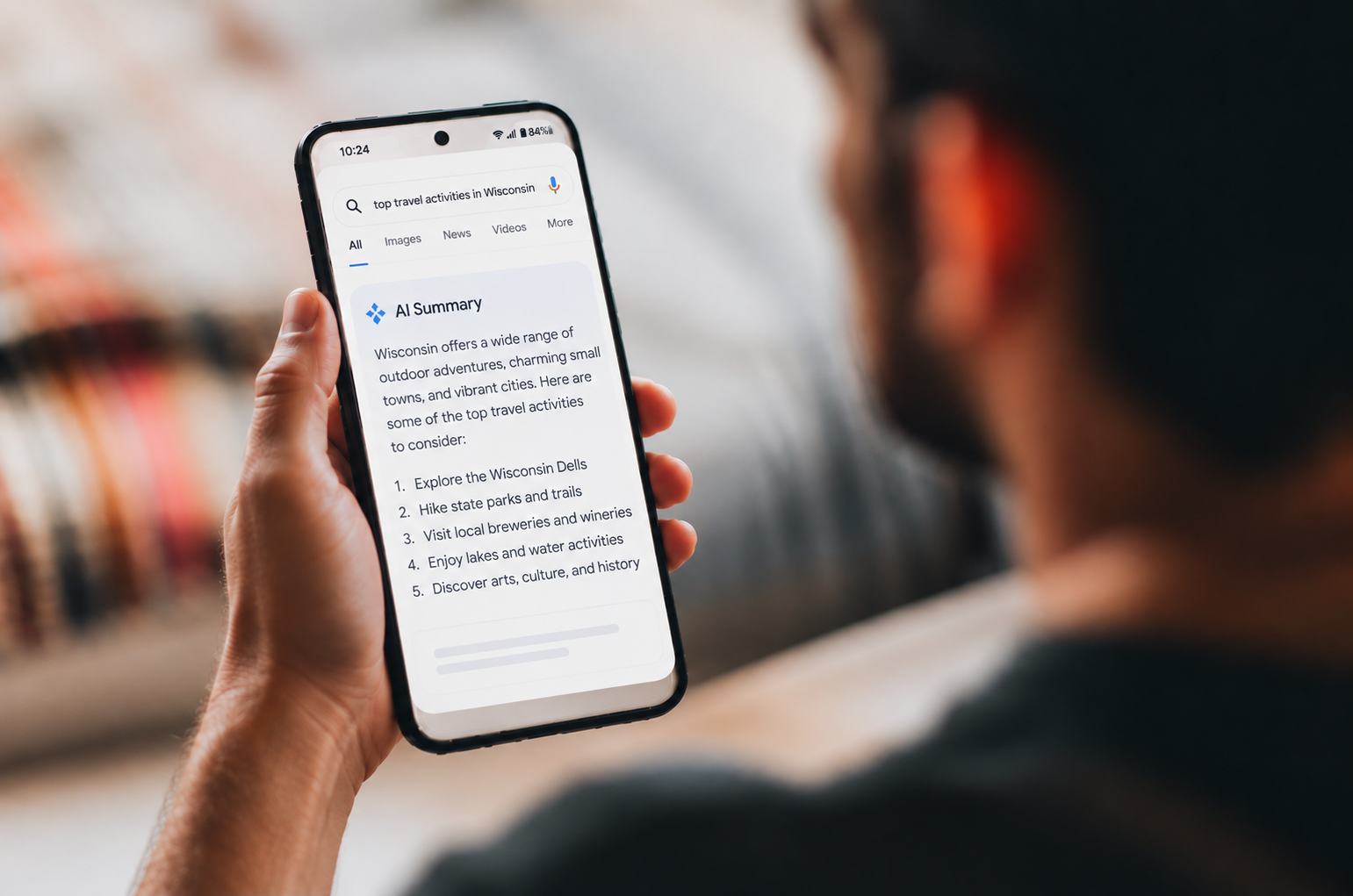
For years, publishers have invested heavily in meeting readers where they are, from websites and search to social media and newsletters. Increasingly, the platforms publishers rely on for discovery are becoming destinations themselves. Search engines answer questions before the click, AI tools summarize information, and social platforms keep users inside their feeds. The path that once led someone from a search or social post to a publisher's website is becoming less predictable.
Pew Research Center found that people were less likely to click a traditional Google search result when an AI summary appeared. Searches with an AI summary resulted in a click 8% of the time, compared with 15% when no AI summary appeared. For publishers, the concern isn't simply fewer website visits. Those visits can lead to ad impressions, subscriptions, registrations, newsletter signups, and longer term relationships with readers. When the answer appears before the click, publishers have fewer opportunities to turn discovery into a relationship, making the relationships they already have more valuable.
A reader arriving through Google is valuable. The challenge is that a publisher doesn't control whether Google sends that reader again. A subscriber, member, newsletter reader, event attendee, or registered user is different because the publisher has a more direct way to reach them. Print circulation belongs in that conversation, too. When a magazine is mailed directly to a subscriber or member, the publisher doesn't need to win a search ranking, wait for an algorithm to surface a post, or hope someone remembers to visit the website. The publication goes directly to the reader, making circulation more than a distribution number. It becomes an audience asset.
For publishers accustomed to viewing circulation primarily through production and postage costs, that may be worth reconsidering. A qualified mailing list represents something increasingly difficult to build online: a known audience and a direct way to reach it. This doesn't mean publishers should retreat from digital. Search, social media, email, events, print, and emerging AI platforms can all play different roles in building and maintaining an audience:
Search and social can introduce new readers, often on platforms publishers don't control.
Newsletters and subscriptions give publishers a way to bring those readers back directly.
Events and membership can turn an audience into a community with a stronger connection to the publication.
Print circulation provides a direct route to known readers without depending on an algorithm to make the introduction.
Thinking about print this way changes the conversation. Instead of only asking what an issue costs to produce and mail, publishers can also ask what it is worth to reliably reach that audience. Rather than focusing solely on circulation volume, they can consider the quality and engagement of the readers behind that number.
Publishers aren't going to stop competing for attention online, nor should they. The zero click internet is simply another reminder of how quickly the rules of digital discovery can change and why direct audience relationships deserve greater attention. For publishers, the opportunity may be less about finding another way to reach new readers and more about recognizing the value of the audience they already know how to reach.
Keep Reading: Explore more publishing insights from SPI, including What Publishers Actually Need From a Print Partner, What Makes a Great Association Magazine Printer?, and The 2026–2027 USPS Mailing Guide.