
The AI Era Is Making Print More Powerful, Not Less
The Rise of Low-Fi Media
Artificial intelligence is changing communication at a pace few industries could have predicted. Content that once took hours to create can now be generated in seconds. Marketing teams are moving faster. Ideas are becoming easier to execute. Entire campaigns can be built with a level of speed that would have felt impossible only a few years ago.
At the same time, people are consuming more digital content than ever. Feeds refresh endlessly. Trends move faster. Screens fill every quiet moment of the day.
And somewhere in the middle of all of that, low-fi media is starting to feel different again.
“Lo-fi,” short for low fidelity, originally came from music culture and described recordings that felt raw, imperfect, and less polished. Over time, the term evolved into a broader aesthetic associated with analog texture, authenticity, and slower media experiences that feel more human.
You can already see that shift happening culturally. Younger generations are buying film cameras they never grew up using. Vinyl sales continue to rise. Independent bookstores are drawing younger audiences again. Even fashion and lifestyle brands that live almost entirely online still invest heavily in printed lookbooks and magazines because physical media creates a level of immersion digital campaigns often struggle to replicate.
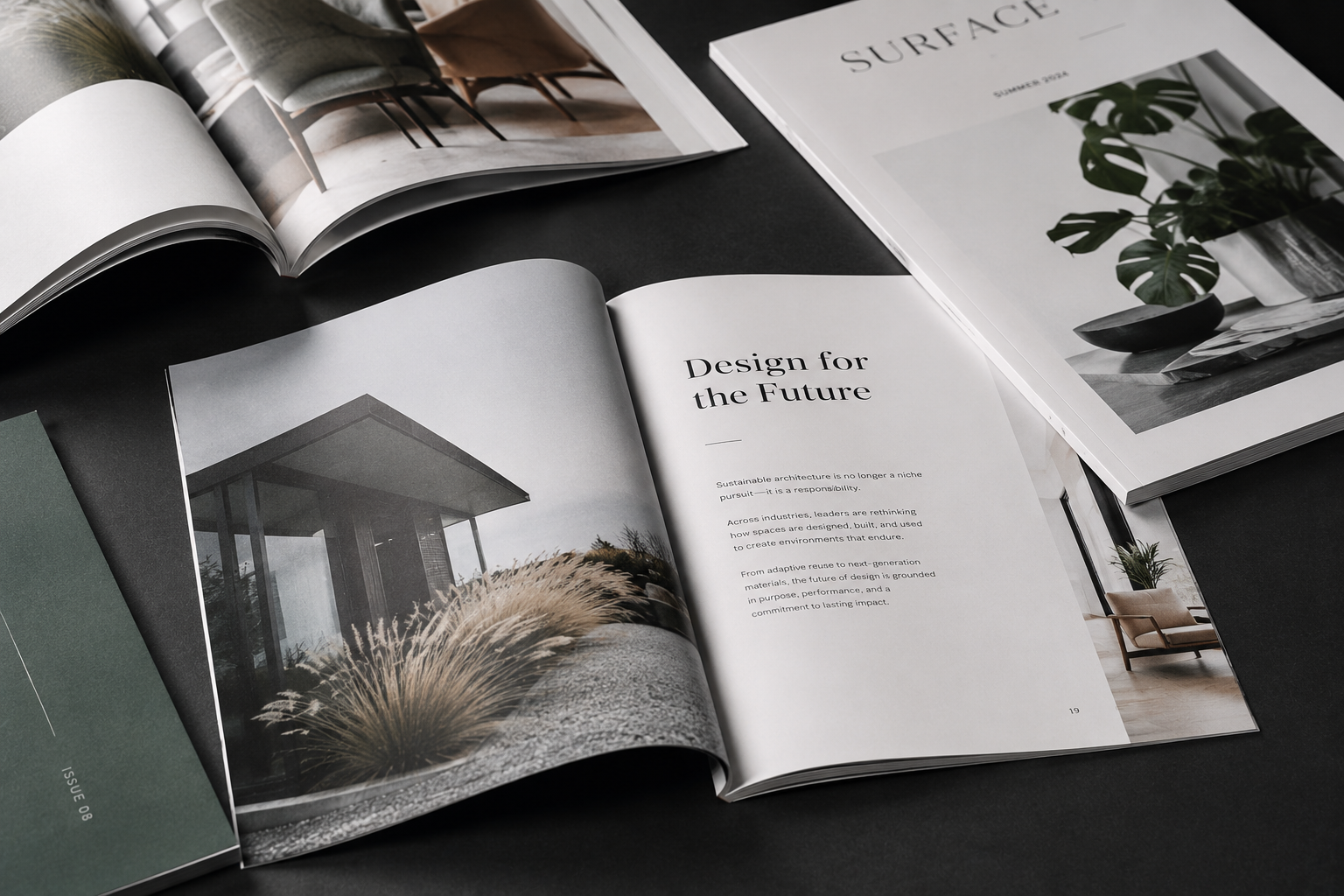
Printed media fits naturally into that cultural shift. Publications offer an experience that feels noticeably different from most digital media today. Pages get folded. Articles are revisited. Inspiration gets torn out and pinned to mood boards. In many ways, print is becoming more aesthetic precisely because it is no longer constant.
Why Print Feels Different Right Now
Physical media creates a slower, more immersive experience
Print feels more intentional because it is no longer constant
Tangible content often creates stronger emotional connection and memory
That growing appreciation for print is not only cultural. It is measurable as well. A study from MarketingSherpa found that 82% of consumers trust print advertising more than digital advertising when making purchasing decisions.
We are already seeing this play out across publishing. Universities continue investing heavily in printed alumni magazines even as digital communication expands. Association publications, regional magazines, and catalogs continue to perform because they create a different kind of relationship with the audience. They feel less disposable.
None of this suggests digital communication is going away. In fact, AI is making many aspects of communication better. The strongest marketing strategies today are not choosing between print and digital. They are understanding what each medium does best. Digital platforms create immediacy. Print creates presence. That balance is becoming increasingly valuable.
As communication becomes faster and more automated, print is re-emerging as something increasingly rare: a slower experience rooted in connection.